
High Temperature Filter Media
High temperature filter media from Envirox is suited for dust filtration applications exceeding 160° C. Our range of high temperature filtration media includes Fibreglass, Aramid, PPS (Polyphenylene), P84 and PTFE media.
Glass Media

Fibreglass filter media is designed for reverse air or shaker baghouses and is resistant to temperatures up to 260° C.
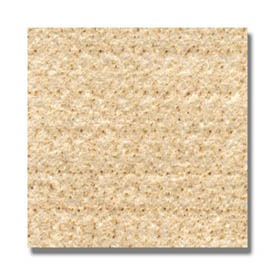
Aramid filter media is a high-strength, abrasion-resistant media designed for a range of applications up to 200° C.

PPS (Polphenylene) filter media offers high temperature resistance of up to 180 °C in dry air conditions

P84 filter media is a high-performance filtration media used in a wide range of high-temperature industrial filtration applications up to 235° C.
PTFE Media
PTFE filter media offers high temperature resistance of up to 250 °C in dry air conditions
Find Out More
Our high temperature filter media range comprises of high-quality synthetic compounds that are specially designed for specialised dust collection applications.
This filter media can be finished or treated with a variety of chemical or mechanical treatments as required by your application.
Treatment for gas streams containing alkalis, mineral acid, organic acid, oxidising agents, organic solvents and hydrolysis alkalis are also available.
Our range of high temperature filter media is suitable for gas streams up to 290° C with fibreglass filter media.
Matching filtration media specifically to the dust generated in your application is critical for maximum dust collection performance. Envirox offers these services as a single-source supplier of industrial dust filtration systems across sub-Saharan Africa.
Guide to HIGH TEMPERATURE Fibre Properties
General Characteristics – Summary
| Fibre (Generic Name) | Fibre (Trade Name) | Colour (undyed) | Specific Density g/cm3 | Tenacity CN/TEX | Continuous Operating Temp. C * | Max. Short Duration Temp. C * | Oxygen Limit Index % |
|---|---|---|---|---|---|---|---|
| Aramid (virgin and mixed coloured) | Nomex Conex | Cream | 1.38 | 33 | 200 | 220 | 29-32 |
| Polyphenylene Sulphide | Ryton | Light Brown | 1.37 | 35 | 180 | 190 | 34-35 |
| PTFE | Teflon Toyoflon | Brown White | 2.3 | 18 | 250 | 270 | >35 |
| Glass | Glass with ePTFE | Beige | 2.54 | 77 | 260 | 280 | N/A |
| Co-Polyimide | P84 | Gold | 1.41 | 25 | 235 | 245 | 38-46 |
| * dry | |||||||
Chemical Resistance
| Fibre (Generic Name) | Strong Acids | Weak Acids | Strong Alkalis | Weak Alkalis | Solvents | Oxidising Agents | Hydrolysis |
|---|---|---|---|---|---|---|---|
| Aramid (virgin and mixed coloured) | Fair | Good | Good | Good | Good | Very Good | Fair |
| Polyphenylene Sulphide | Good | Good | Fair | Fair | Good | Poor | Fair |
| PTFE | Very Good | Very Good | Very Good | Very Good | Very Good | Very Good | Very Good |
| Glass | Very Good | Very Good | Very Good | Very Good | Very Good | Very Good | Very Good |
| Co-PolyimideFair | Good | Good | Poor | Fair | Good | Fair | Good |
| * at operating temperatures. Based on fibre manufacturers published specifications | |||||||